

2025 was a whirlwind of a year. I don’t know about you, but it felt like every week was jam-packed with insane highlights, product releases, and major headlines. It is undeniable that AI progress was at the forefront of everyone’s minds, and that will remain the case as we head into 2026. It is also undeniably getting weirder, too.
The internet is feeling less grounded. Stranger. Like a home that is suddenly unfamiliar. And this feeling sucks.
I know I’m not the only one.
AI pessimism and hatred reached an all-time high in 2025. From workslop to brainrot, AI has accelerated trends that are divisive at best, and resented at worst. For me, the increase of AI-generated content online has shined a renewed light on some of the internet’s most pressing issues, issues that will only get worse before fundamental new paradigms are adopted.

Our feeds, which were already an ADHD-addled mess, have become even more overwhelming. I’m sure you’ve noticed the change.
The content crisis and authenticity concerns are here to stay, and the need for proof of personhood remains. Trust has become a cognitive tax, and it is exhausting.
Despite the messy end to 2025, I don’t think 2026 will be calmer. I think it will be more decisive. If 2025 overwhelmed us with capability, 2026 will force us to choose how much control we’re willing to surrender.
This is a reflection on how we lost agency in 2025, and why 2026 will reward those who actively reclaim it.
I’m calling 2026 the Year of Agency.
This isn’t about agents. It’s about personal agency. Empowering individuals, like you, with tools, autonomy, and reclaiming control over time and attention. AI isn’t dictating what you do, you are.
2025 Retrospective

To understand why agency becomes the central challenge of 2026, we need to look at what 2025 quietly normalized.
AI content deluge: In 2025, we saw generative AI usage for content like video go mainstream, from the release of Sora 2 to powerful image diffusion models like Nano Banana Pro. Within a matter of days, every social network was flooded with endless AI video content. The year was equally filled with complaints about workslop, and we found ourselves constantly asking, was this made by AI? Every interaction becomes a micro-decision we never wanted to make in the first place.
Content Authenticity crisis: The rapid rise of generative content online has turned content authenticity desires into a necessity. Google’s SynthID is a digital watermarking tool used by Nano Banana. C2PA (content credentials) is getting baked-into content being produced digitally, like Adobe’s suite.
Rapid capability leap: There’s no denying that frontier models at the end of 2025 are an order-of-magnitude more powerful than they were at the beginning. GPT-5’s release might have been a bit of a mess, but frontier capabilities with coding and agentic computer-use are impressive. Google’s latest release of Gemini is a shockingly good front-end developer. And, the capabilities of offline language models running locally on your machine is nothing to sneeze at. The gap between what these systems can do and what most people understand is growing faster and faster every month.
Agents Unleashed: From hacking to prediction market automation, agents are being used for just about everything. AI agents have become financial actors, and new internet-native payment methods have been adopted. I wrote about the age of autonomous finance and speculated on what would happen in 2025 back in October of 2024.
Across all of these trends, one pattern became clear: intelligence accelerated, but agency didn’t.
We end 2025 with many feeling overwhelmed by AI, overencumbered with news, tools to try out, and infinite scrolls of slop. Many of our friends have become sloppers, with AI capturing the last tiny crumbs of attention that were left to be grabbed. Passivity is easier than discernment.
So, 2026 will be more the same, right?
Wrong!
2025 taught us what happens when agency is optional. 2026 will reward those who make it non-negotiable.
2026: The Year of Agency
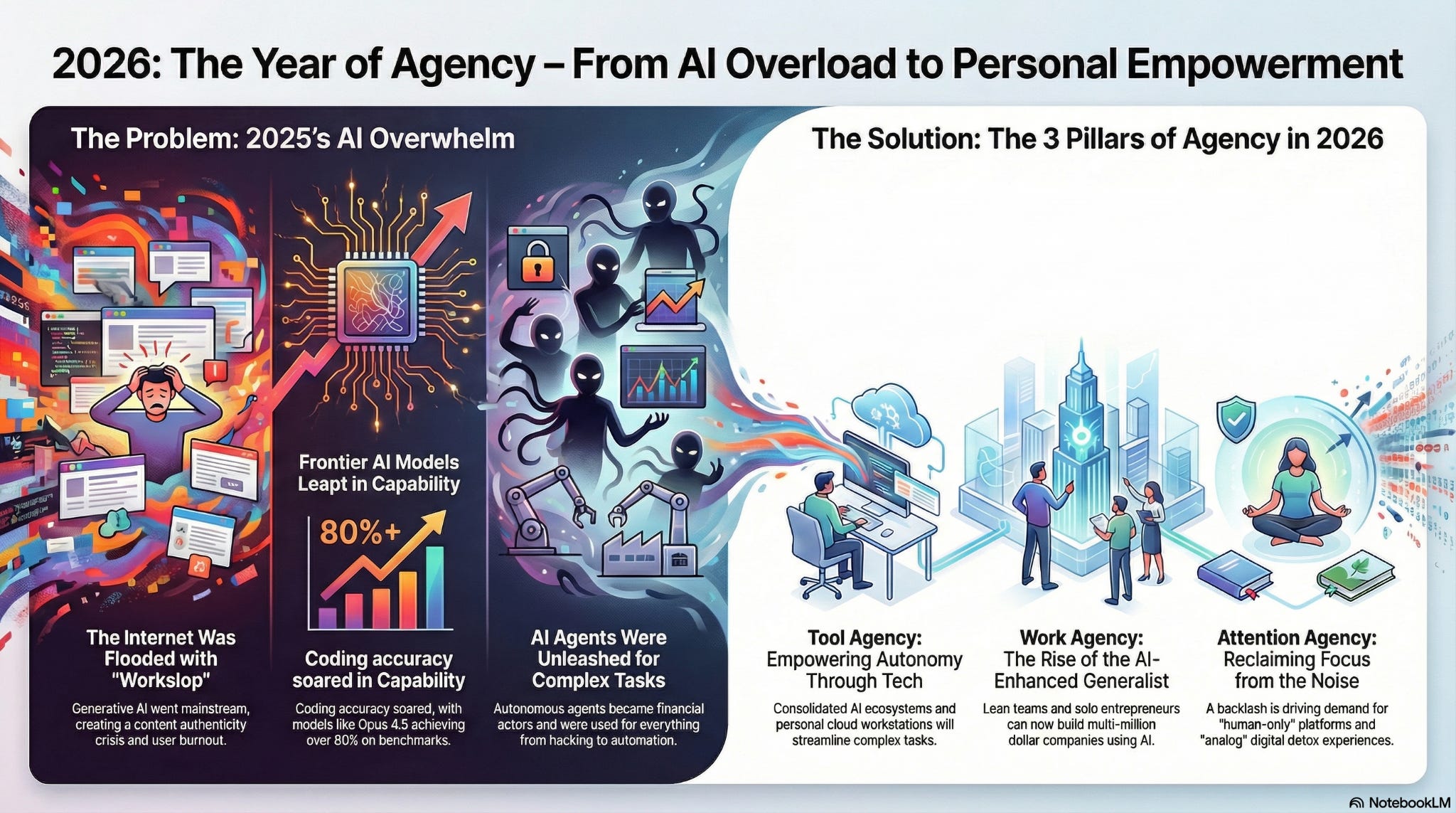
If 2025 was the year where things got crazy, 2026 is the year we decide where AI belongs.
Personal agency in this article can be defined as: empowering individuals with AI-driven tools, redefining work through autonomy, and reclaiming control over our time and attention.
I’ve broken up agency into three distinct categories:
Tool Agency: choosing tools that amplify judgment rather than replace it
Work Agency: owning outcomes instead of just executing tasks
Attention Agency: deciding what gets access to your mind
Each section interrelates to the other, and is supercharged by optimizing all three. The future will belong to people that deeply understand both where technology is heading and the limitations of the human mind.
With that said, here are my top tech and social predictions for 2026.
Tool Agency - Empowering Autonomy through Tech
One thing is certain: keeping up with the latest tools and their development can put you ahead of the curve. Being aware of what is genuinely useful vs a distraction can be tough, but many of the themes over the last year are only accelerating.
Here’s what to keep an eye on:
All-in-one AI Ecosystems
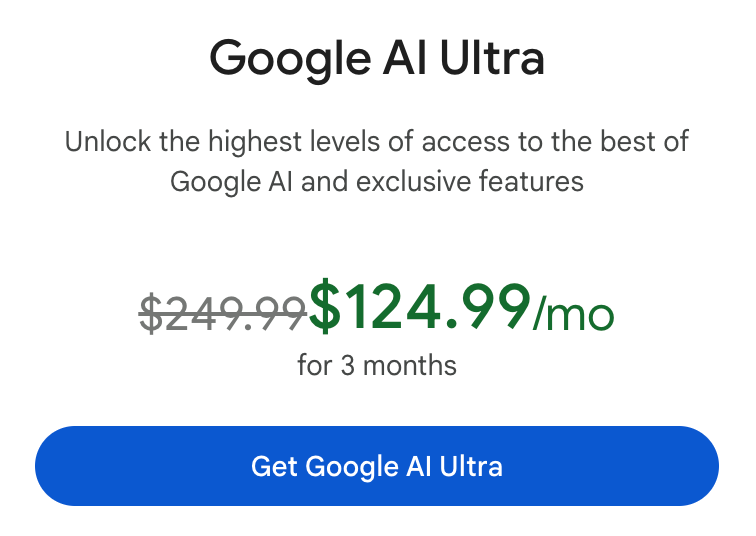
We’re going to see a rapid consolidation of tech stacks with AI. Behemoths like Google are bundling packages together to make it easier to use ‘AI-first’ environments. Tools like Antigravity are a great example of this. Cursor was just the start, but bundling together cloud data and seamless deployment will make older tools relics of the past.
My prediction is that Google will become the breakout star for this next year, with runners-up like OpenAI and Anthropic struggling to compete with the solutions Google can offer for cheap. Leveraging AI for coding, multi-agent orchestration, and content creation will become easier. I suspect many people will trim down their AI subscriptions to JUST being something like Google AI Ultra by the end of 2026.
This is the difference between leverage and convenience.
Personal AI Workstations (Virtual OS)

Tools like Zo Computer really stood out towards the end of 2025. Having a personal, cloud-based virtual machine running your own suite of AI agents that can also act as a website server is wild. This is a secure sandbox where you can let your agents and various models operate without fear of a major command line disaster impacting your personal computer. Personal AI workstations can also act as an always-on second brain, seamlessly linking via MCP with content and data you have across various services.
LLMs + personal data + server + automation = !?!?!?!. The sky is the limit here. Once Zo is upgraded to include computer use (think Manus), the rocketship will truly take off. While this product category is very new, I am extremely excited about it. Tools like Zo unlock a new range of capabilities, and the potential is endless.
Agentic Scaffolding, Integrations, and Memory-Augmentation
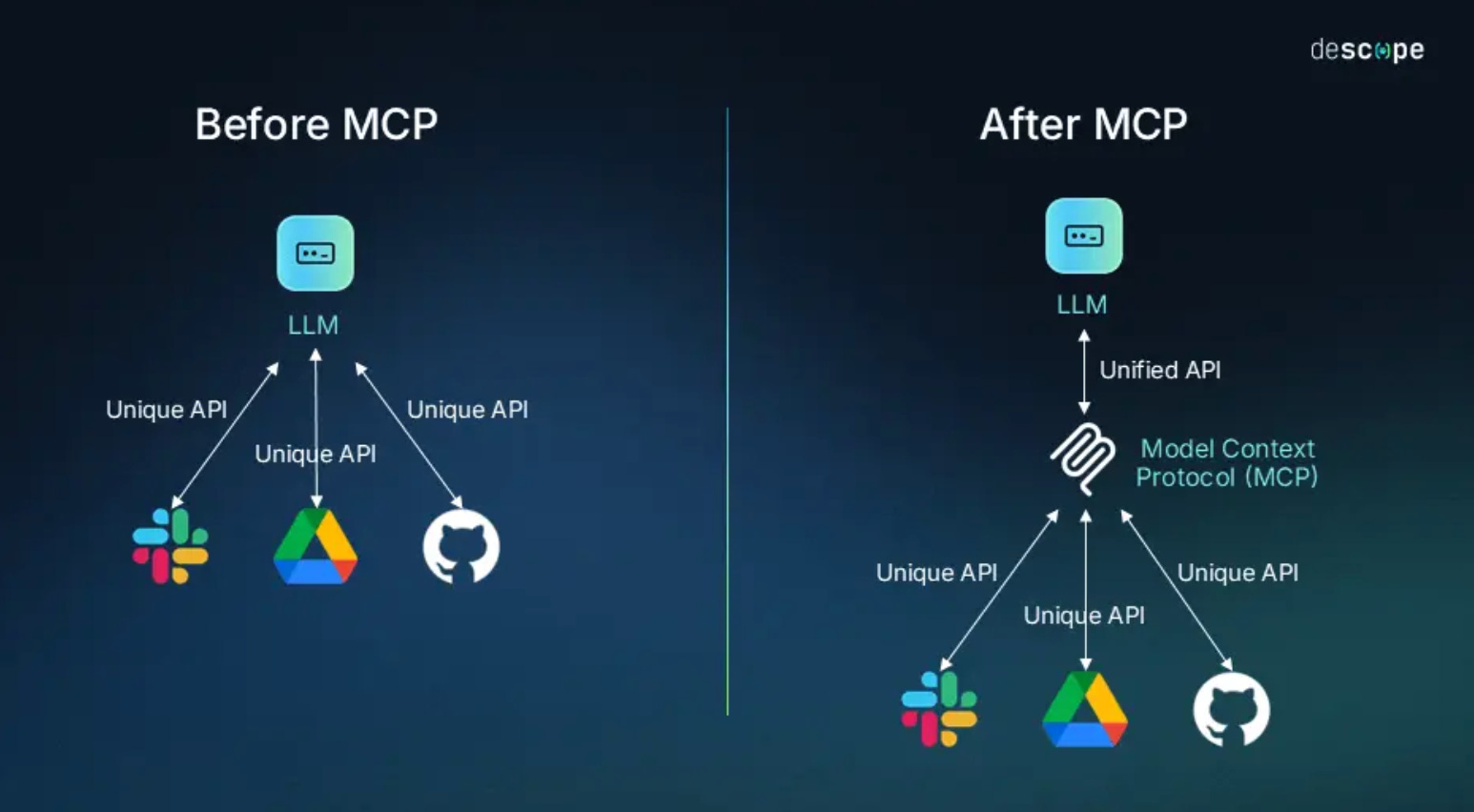
MCP exploded onto the scene in 2025, and will continue to be incredibly important for agentic scaffolding in 2026. We will see this trend continue: more plugins, more servers, and more integration hubs to bridge AI with apps and data that people use.
As the agent landscape evolves, it comes as no surprise that open formats like agents.md are gaining popularity. Entire tools like Kiro have been designed around spec-driven development, which makes AI even more effective at producing reliable, maintainable code.
Better agentic plumbing means more time building and designing, and less time troubleshooting and fixing terribly written code or correcting AI when it misunderstands. While frontier models will continue to improve, equal importance is now being placed on the scaffolding surrounding the models. This is the secret sauce that makes Claude Code, Cursor, and Antigravity so useful.
Finally, memory. Context and ‘understanding’ are a billion dollar problem right now in the space. Having agentic systems that can maintain context for longer, with seamlessly integrated and continually updated vector and graph databases, is crucial. Procedural, episodic, and long-term memory are all important here. Memory is arguably the biggest blocker to increased usefulness with agentic systems.
The memory challenges now may be drastically different by the end of 2026.
Work Agency - Rise of AI-Enhanced Generalist
Although this has been repeated many times (to the point of being cliché), the reality of where technology is heading is starting to match the mantra of ‘the year of the generalist’. Compared to where things were in 2023, it is now increasingly possible for a single person to build products and run companies successfully by tastefully employing AI.
This is not about becoming a unicorn founder. It’s all about how leverage shows up in ordinary, everyday work.
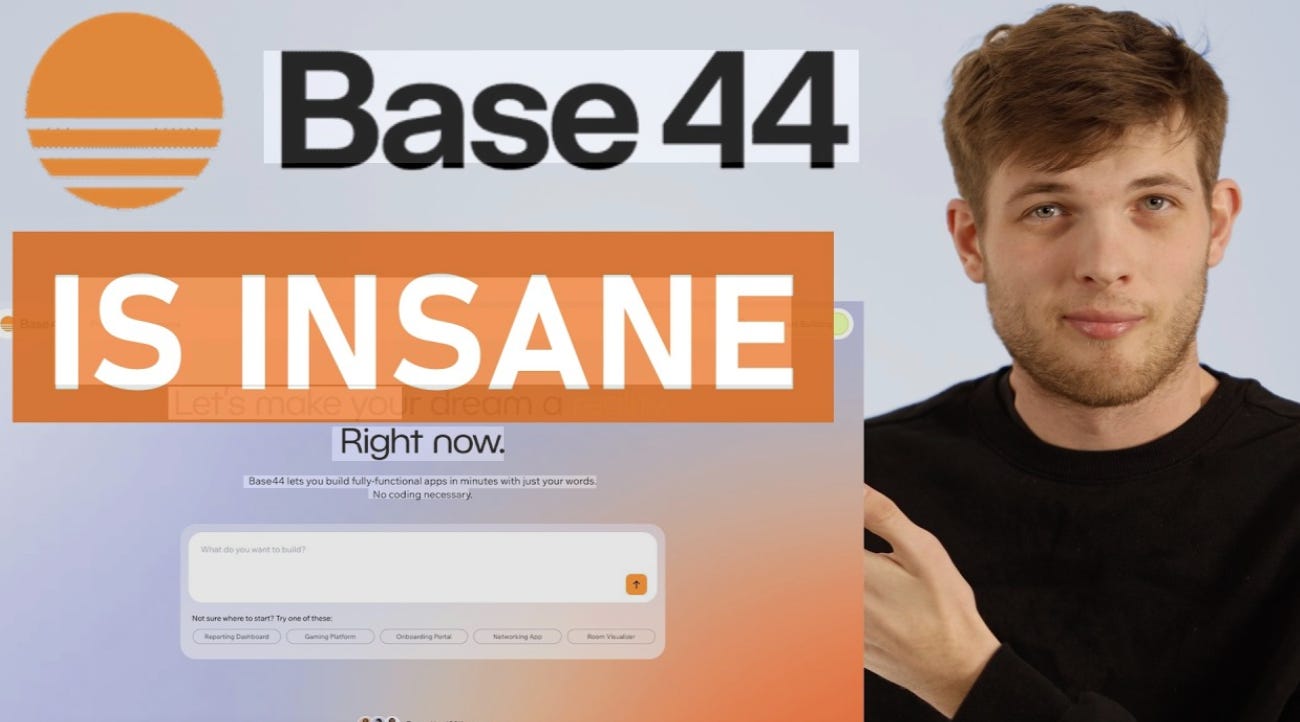
As an example, in 2025 Maor Shlomo built Base44 and sold it to Wix for 80 million dollars. Solo. The future of Base44 is uncertain, but Maor was able to scale and build a seven-figure business solo in a relatively short period of time, culminating in its acquisition. This is just a single example of an AI-enhanced generalist in the real world.
I’m not saying that specialization isn’t useful. It is still incredibly useful. But new pathways have emerged, using AI, that are changing the game.
Lean Teams and Solo Entrepreneurship
In its initial phase of growth, Cursor reached $100 million in ARR with just 12 people in early 2025. This isn’t an anomaly – this is a showcase for how AI-native teams can operate. Cursor became the fastest growing SaaS in the history of SaaS, and became a genuinely useful tool overnight. Not hype, not a gimmick. Reality.
In 2026, the concept of a ‘billion-dollar one-person company’ is moving from sounding like a joke to being a plausible scenario. With enough understanding of agentic systems, marketing, sales, and product, it is really just a matter of time before it happens. As we move through 2026, expect more stories about multi-million dollar solo ventures. Things that were formerly impossible are now possible. Larger companies will need to adapt, or risk irrelevancy or death.
AI-Augmented Roles & Careers
This was already happening, but the trend will continue: AI-augmented roles are here to stay. In particular, product roles are expanding to encompass more prototyping, design, and initial phases of development. The most adaptable person will be the person hired for the job, and new roles like ‘AI orchestrator’ and ‘agent builder’ will become commonplace.
Traditional specialist roles will continue to exist, but the expectation will be to broaden skill sets. With the pace of AI showing no sign of slowing down, everyone in technology will be expected to continually learn and expand skill sets.
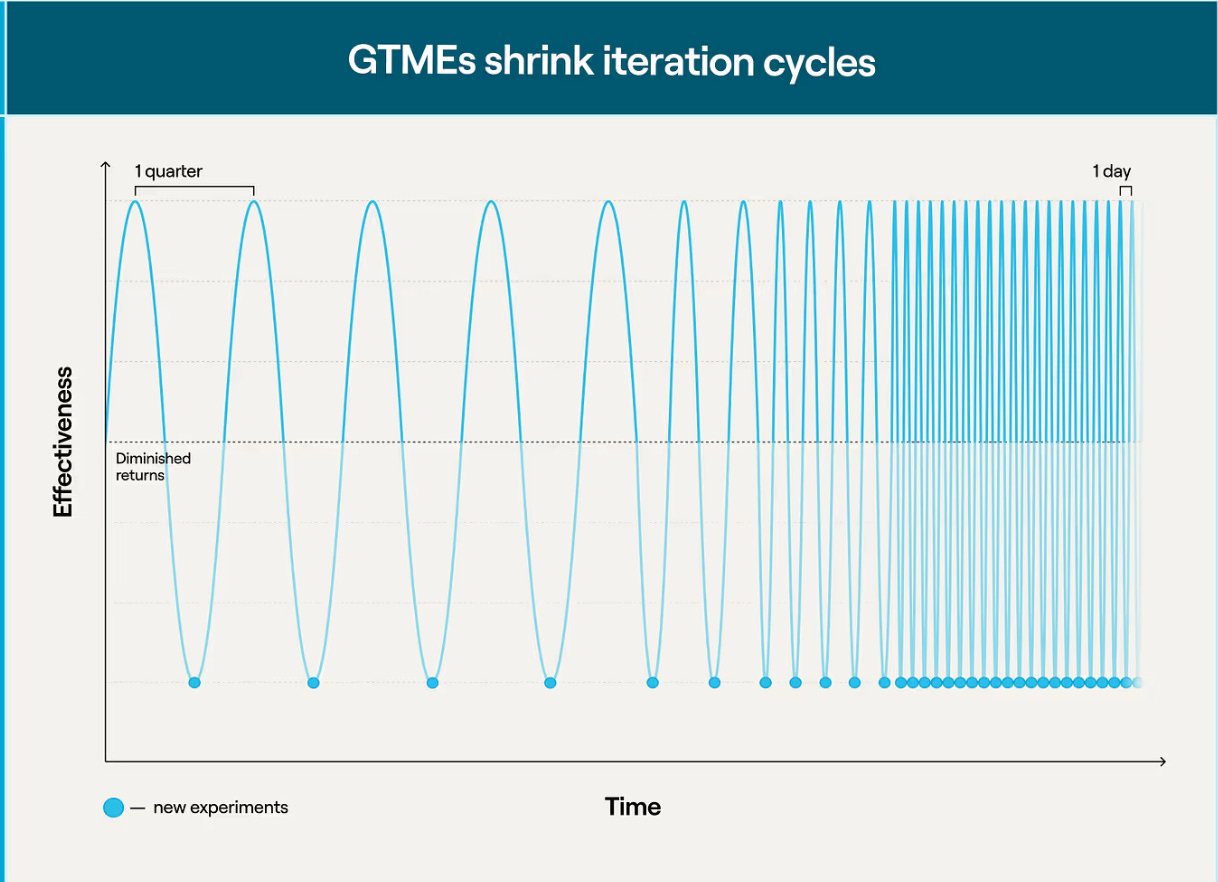
Earlier in 2025, Clay emerged onto the scene with the concept of the GTME engineer. Using AI and automation to build revenue engines and automate demand gen is useful. AI has eliminated the need for custom manual research and engineering, and businesses are only just now starting to see how this can be useful.
AI is the rocketship for the mind, but only if you can control it. Accomplishing 10x more than before by offloading routines or complex sub-tasks will become the norm. Personal leverage changes the economics of creativity and labor, but workflows need to be adapted to fully utilize the potential.
This leads us to our last section.
Attention Agency - Intentional Tech Engagement
As important as it is to stay on top of the latest trends, we need to learn how to disengage. While we’re all familiar with social media addiction, AI and chatbot addiction is rapidly on the rise, leading to unhealthy relationships and habits. The most effective agentic tool usage is worthless if your mental health is wrecked.
As we’ve seen with social media, it boils down to autonomy and personal control. No one is coming to save you. The more intelligent AI becomes, the more safeguards and attention checks are required. Human beings are exhausting enough, and AI only adds gasoline to the fire.
In practice, attention has become the real constraint.
Human-Only Content Platforms

With the onslaught of slop this year, people are craving human-centric spaces online. Presently, no platforms are safe from AI-generated content. With platforms like Facebook, users are unsuspectingly liking and responding to AI content, blissfully unaware that what they’re engaging with was generated purely for views and to capture their attention. Social media was already overwhelming prior to AI, but with the lack of adhered content provenance and digital watermarking, everyone is asking: is this AI?
Right now, there are no popular human-only content platforms. Notably, platforms like DeviantArt, beloved for being spaces where artists shared their work, devolved quickly when AI content ran rampant across the platform. Every time anyone sees anything on artist-sharing sites now, they ask: is this AI?
Proving and enforcing human-only spaces is important, and will remain important for the future of the web. Expect new, progressive social media platforms to be created that embrace the ideas behind C2PA and human-spaces.
Analog Renaissance

Digital detoxing and digital detox retreats have continued to balloon in popularity throughout 2025, and it will only become more popular and important as we move forward.
Expect more ‘phone free events’ and ‘unplugged’ sessions. As automation and AI continue to grow, so too does the desire for un-augmented activities. It’s no surprise that knitting, pottery, and macrame are growing in popularity: they fulfill a deep human desire to slow down.
This correlates strongly with the meditation and mindfulness movement, which regained popularity over a decade ago with books like ‘Waking Up’ strongly linking tech bros with spiritual emancipation. Mindfulness and spirituality are gaining traction once again, as our bodies and minds become overwhelmed with the pace of change and speed of information.
Content Diets and Screen Time Monitoring
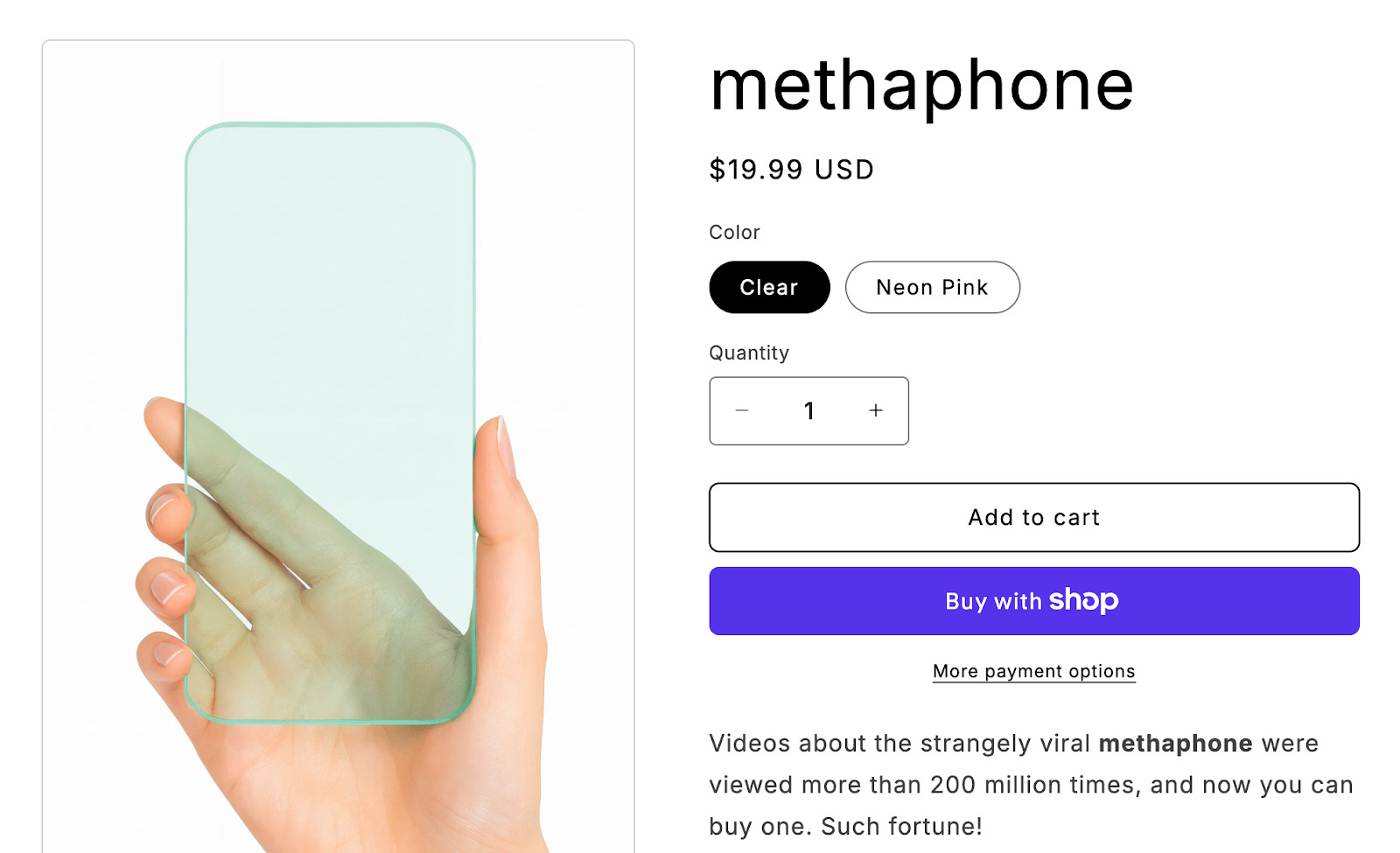
The growing awareness of how social media and AI-curated feeds are hijacking our attention has reached a tipping point. More and more people will switch to dumb phones and you may even see a person or two holding a methaphone. Gen Z is leading the pack with this, due to digital fatigue, mental health struggles, and a strong desire for offline experiences.
Reducing screen time, quitting apps, and being unavailable is cool now. That will remain the case through next year, and will likely accelerate. Trusting your gut is cool, and critical thinking atrophies if you rely on ChatGPT for everything.
Embracing Autonomy and Balance

Personal sovereignty is now the north star. This year of agency, which can be embraced by anyone, is all about empowering individuals to reclaim control. 2026 will reward those that leverage AI to amplify their current abilities without surrendering autonomy. The ‘what’ with the latest trends is just as important as the ‘why’.
Locking in is cool. So is unplugging. Finding a balance between the two will separate the sloppers from the non-sloppers in 2026.
Intentionality matters. The people who struggle the most with AI won’t be the least intelligent, but the least intentional.
We have the power to shape how technology impacts us, and how we engage with it. 2025 was a watershed year for a number of things, but it opened our eyes to how quickly things can change online. The job landscape, social media, and technology are all evolving rapidly, and having AI as an ally rather than an adversary is crucial.
Personally, I’m excited to see where this year takes us. I think we’ll see brand new amazing companies, products, and ideas take shape. The singularity will not arrive evenly distributed, and AI’s impact on the future of humanity is hard to wrap our heads around.
Agency is something you practice, not something you’re given.
Thanks for reading.
- Chris