

“I think news is very rarely important because... the only news people really are interested in is news about themselves, which is in fact gossip. People are more interested in gossip than news. News is just kind of historical gossip. It’s just gossip about people who are more important than you are. But no one really feels that anyone is more important than they are.” - Fran Lebowitz
About once a year, I fall down into a Fran Lebowitz YouTube rabbit hole. I watch videos and interviews from Fran over the years, and, despite how polarizing she can be, she is undeniably charming.
Yesterday, I watched an interview with Fran from 1978, where she gives her perspective on the news and its role in and on our lives. Oh, how much time can pass and how little changes.
The clip got me thinking again about the future of highly personalized tech and media, and where we’re inevitably heading. This trend, which is called hyper-personalization, is still in its infancy, but has evolved this year and sped up significantly in the last few months.
In this piece, we’ll talk through the inevitability of hyper-personalization, hyper-reality, and how tools have evolved this year to make creating experiences and software as fluid as your train of thought.
The Genesis of Personalization
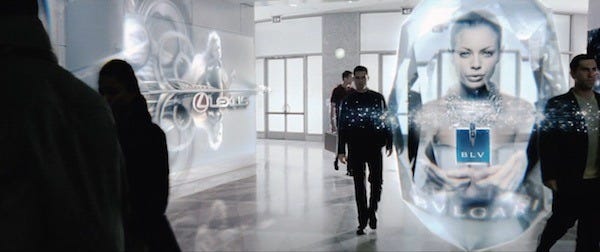
Minority Report accurately predicts a lot about the future, but it absolutely nails the future of data-driven advertising and surveillance. In the film, John Anderton walks through public spaces and is flooded with dynamic billboard advertising that is highly personalized, offering him services and products based on his prior purchases and psychological profile. Invasive and eerie, but anyone watching this film in 2026 can relate immediately.
We know that companies like Meta maintain databases containing user accounts, accounts that have thousands of signals about you, ranging from your location, travel patterns, and countless nuanced behaviors that are very often predictions generated by machine learning models. These predictive profiles are utilized by advertisers who define an audience; Meta delivers the ads, and the advertiser pays Meta.
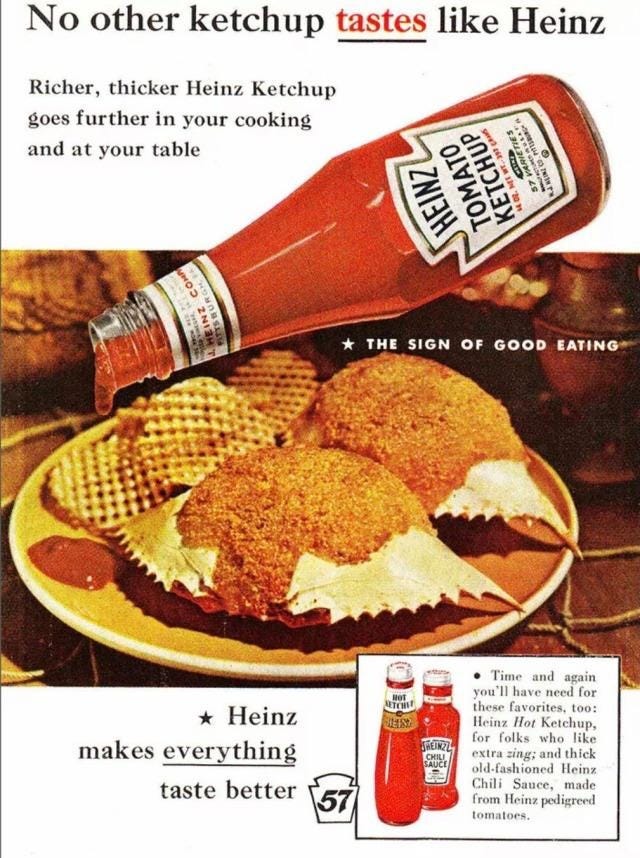
The numbers don’t lie. The more personalized the ad is, the higher conversion rates tend to be. Technology has enabled this increased personalization of advertising in a way that simply didn’t exist prior to social media. When we look back on advertising from the 1960s, it often looks so simple it’s hard to believe it worked at all. Even cable television advertising today, compared to highly targeted online ads, feels ineffective and overly generic.
The more centralized services we use, and the more public data that is available, the more advertisers can create advertising that we cannot resist. This is obvious and there is no end in sight.
The hyper-personalization of advertising is clearly the beginning of the hyper-personalization of everything. When everything starts getting hyper-personalized, we find ourselves descending into hyper-reality.
Hyper-Reality
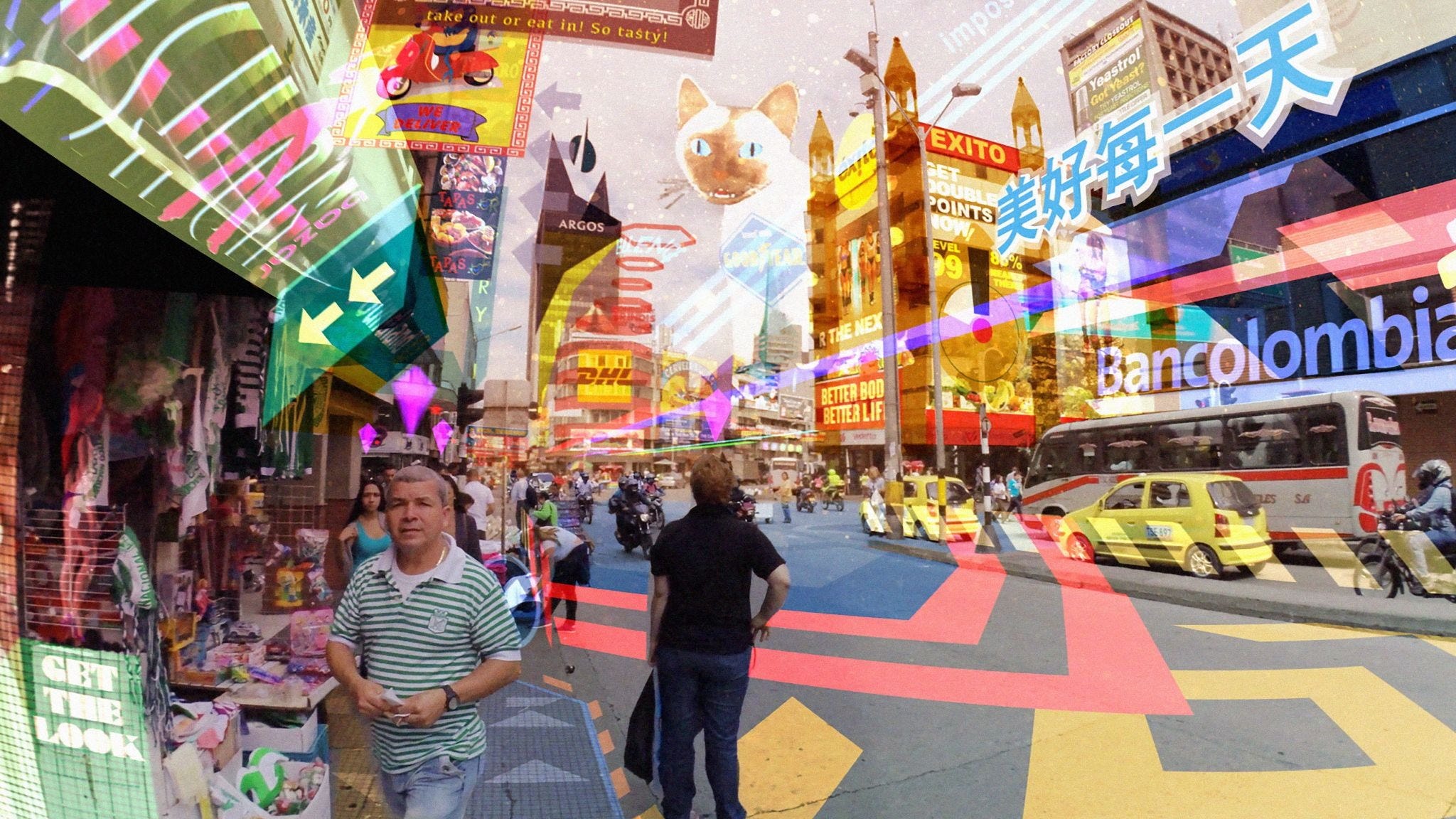
If ads can be hyper-personalized, and the internet has an uncanny ability to know exactly what I want often before I consciously realize I do, then extending this way of thinking to the rest of reality isn’t too farfetched.
Jean Baudrillard coined the term hyper-reality, which is ‘a concept where simulations and media representations become more real, attractive, and influential than physical reality itself’. Truthfully, we’re already in the early stages of this, just consider the following:
Social media started as simply being a way to connect with other people in your life, but has evolved into a profession, which is highly organized, driven by data, and barely resembles original platforms like MySpace and Facebook (pre-Instagram).
Screen and social media addiction has risen drastically. Social media has gone from being something that you check once a day to being something people live inside of, with smartphone screen time rising yearly.
In the last decade, twice as many American teens self-report that they are online ‘constantly’.
Smartphones became universal, feeds became algorithmic, the social graph (people you know) transformed into an attention graph (content delivered to you that hijacks your attention). I’ve covered in the past where this leads.
Despite more stimulation than ever, people self-report higher levels of boredom. Reading a book competes with an AI-generated cat dancing video. You get the picture.
We’re living inside of a stimulus arms race. As everyday entertainment becomes more stimulating, people either crave experiences that can exceed what we’re experiencing digitally or attempt to escape it entirely. The ‘hyper-ification’ of everything is real. Food, sex, games, relaxation, you name it.
It comes as no surprise, then, that the following hobbies have exploded in popularity over the last decade:
Hyper-physical escalation: ultramarathons, rock climbing, ice baths, Hyrox, endurance cycling, combat sports
Hyper-digital escalation: VR immersion, online gambling and sports betting, competitive gaming, infinite-scroll social media, binge consumption of algorithmic content
Hyper-sensory escalation: Luxury food culture, EDM festivals, psychedelic experiences, high-end travel experiences, extreme food competitions
Hyper-achievement escalation: Hustle culture, biohacking, longevity obsession, productivity-maxxing, looksmaxxing, personal branding, FIRE, startup culture
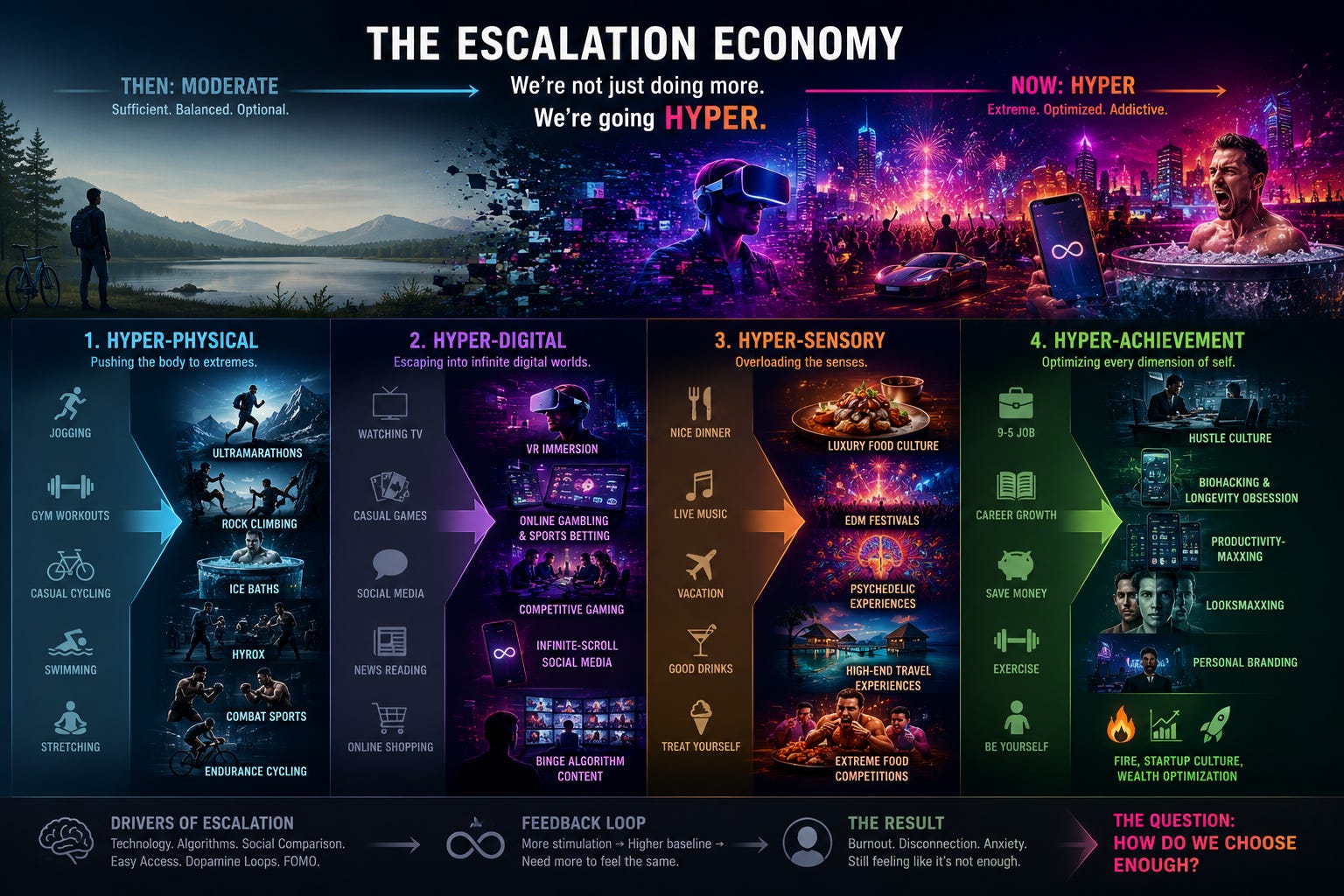
Collectively, the reality we were used to in 2016 wasn’t interesting enough. It started to compete with an increasingly insane digital world. As a result, everything else changed. Not surprisingly, despite the hyper-ification of everything, people self-reported less happiness, life satisfaction, and had on average worse mental well-being.
Despite this, I strongly think we’re nearing an inflection point. The same technology that can steal our focus can also assist with honing it.
So, what’s left? Like a digital manifest destiny, every nook and cranny that can be hyper-personalized will be hyper-personalized. The easiest things come first. The barista making the order just for you, advertisements, the custom engraving on your Apple Pencil; hyper-personalization is the natural counter, using AI, to hyper-commoditization.
The State of Hyper-personalization Today
It is an understatement to say that AI has enabled software and media creation that wasn’t necessarily impossible in the past, but nearly impossible to justify. This is the interesting intersection I’ve found so fascinating: the creation of things that are entertaining and useful, but previously would have taken up so much time it would have been difficult to justify.
This space, which we could call hyper-personalized software and content creation, has matured significantly over the last 6 months. With the release of better programming, image, and music models, things that were formerly just funny ideas or thought-experiments can be brought to life.
Here’s a fun one: inside jokes. Under any normal circumstance, I would not have the time to be able to professionally write, record, and produce a song about an inside joke. If I had the time, doing this would take multiple weekends and significant effort. It wouldn’t be impossible, but it wouldn’t be easy.
As an example: I was home for a few weeks and my father and I were joking about my mother’s weird salads. We laughed about what a country song detailing her weird salads might sound like. With a few iterations and laughs, we had Suno generate something that was genuinely entertaining and funny.
Or, as a more complicated example: a 3D game. Another fun thing in our family is that my mother is constantly buying and reselling tables, painting and cleaning them up. It’s a hobby and something she enjoys doing. The idea of making a game based on this was always humorous, but wildly impractical. My time is limited, and I can’t spend a ton of time making a custom, 3D-graphics game based on this idea. Or, at least I couldn’t before.
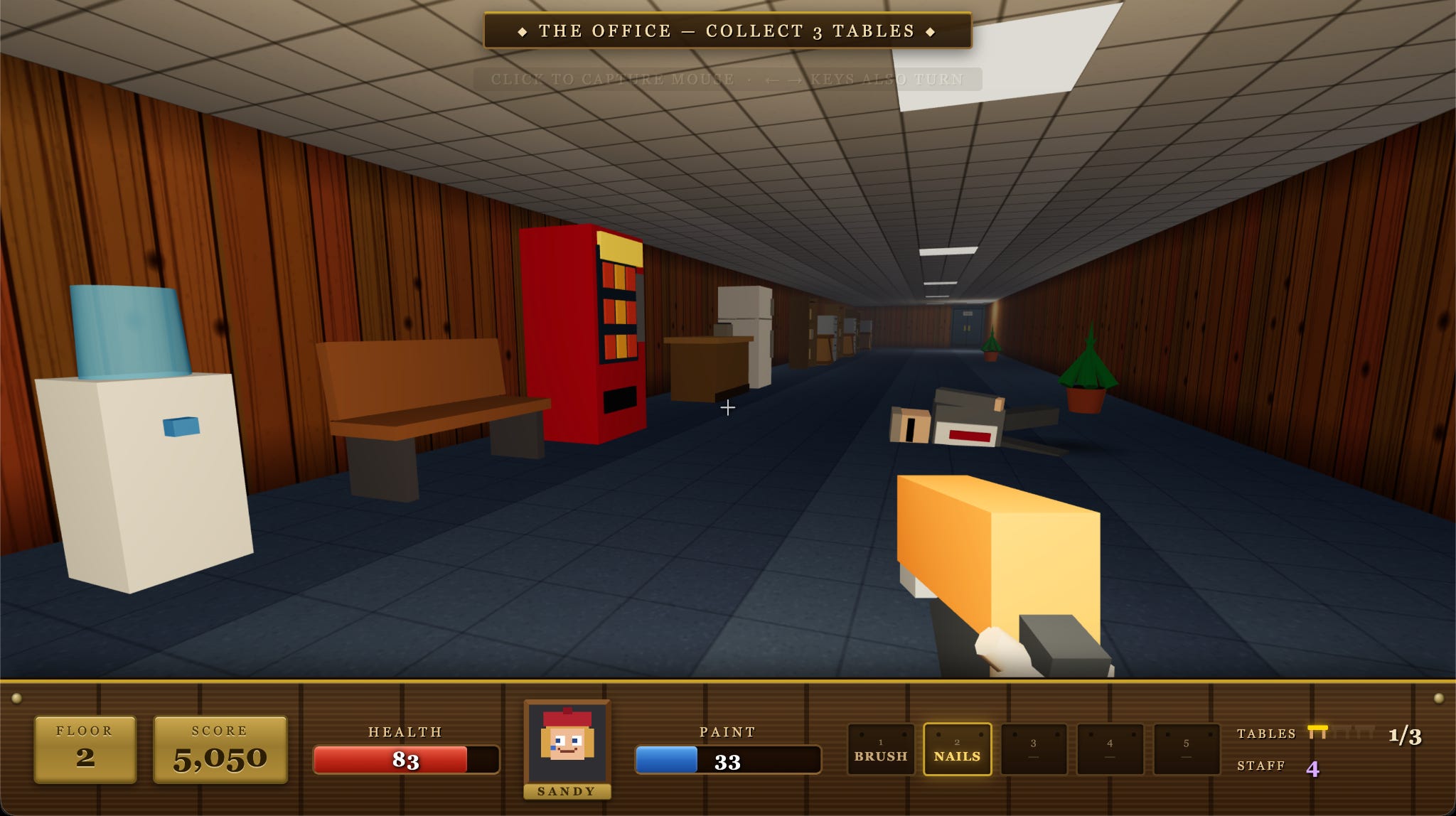
Fable 5 was able to repurpose and design files I had started messing with back in December. It effortlessly created graphic assets in WebGL, and we iterated faster in an hour than I had in days just months prior. Suddenly, a short, playable, 3D-based game was brought from concept to working beta in a couple of hours. You can play it by downloading the repo here.
It’s not perfect, but it has been fun to tinker with, and the project has progressed slowly since its conception last winter. I am 100% convinced I would not have bothered doing this if AI coding wasn’t a thing. It just would have been an unjustifiable time-sink.
The arguments against these are obvious: these are examples of AI-generated slop content. For that, I’d push back and argue the following:
In the case of media, and in this instance a song, the production quality and writing exceed work I have personally done in the past (it isn’t even close).
The game, even as a tech demo, is more entertaining, playable, and contains fewer bugs than all game or graphics demos I personally witnessed in CS classes (games manually written and created by people).
In both instances, the output is not random. The game took a couple weeks of brainstorming and planning back in December (level design, original assets, stylistic choices).
If 2025 was the year workflows like this started becoming viable, 2026 is the year they have started getting shockingly good. If the first generation of hyper-personalized content was images, videos, and text, the second generation is undoubtedly applications.
Hyper-personalized Applications
The ability to rapidly deploy personalized apps live to the internet is addictive and fun, and is evolving into a new form of engagement. Similar to the examples above, it’s not that it wasn’t possible before, it was just wildly impractical.
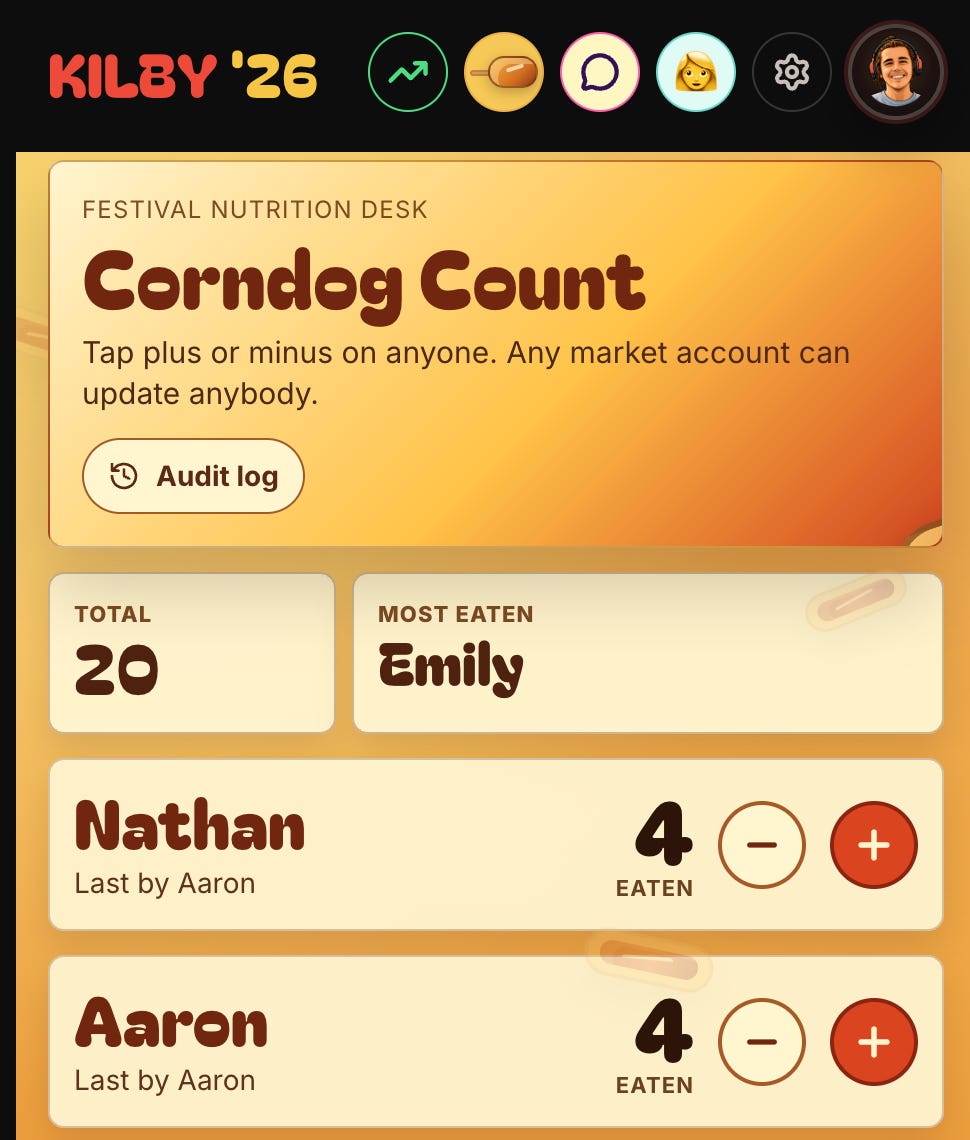
Here’s an example: back in May I attended Kilby Block Party with a few of my friends. It’s a festival we go to every year, and we usually rent a big house and it turns into a 3-day party.
This year, I noticed how buggy and bad the official app for KBP was; long loading times, full of ads, and unintuitive navigation. Given how easy it has become to deploy apps, I figured I’d give it a shot to just build a better app.
My version of the app took about an hour, and ended up with an interface my friends actually preferred. I deployed it as a simple PWA on Zo Computer, implemented a simple login system, and added features as the weekend progressed. It was accessible via mobile as an app.
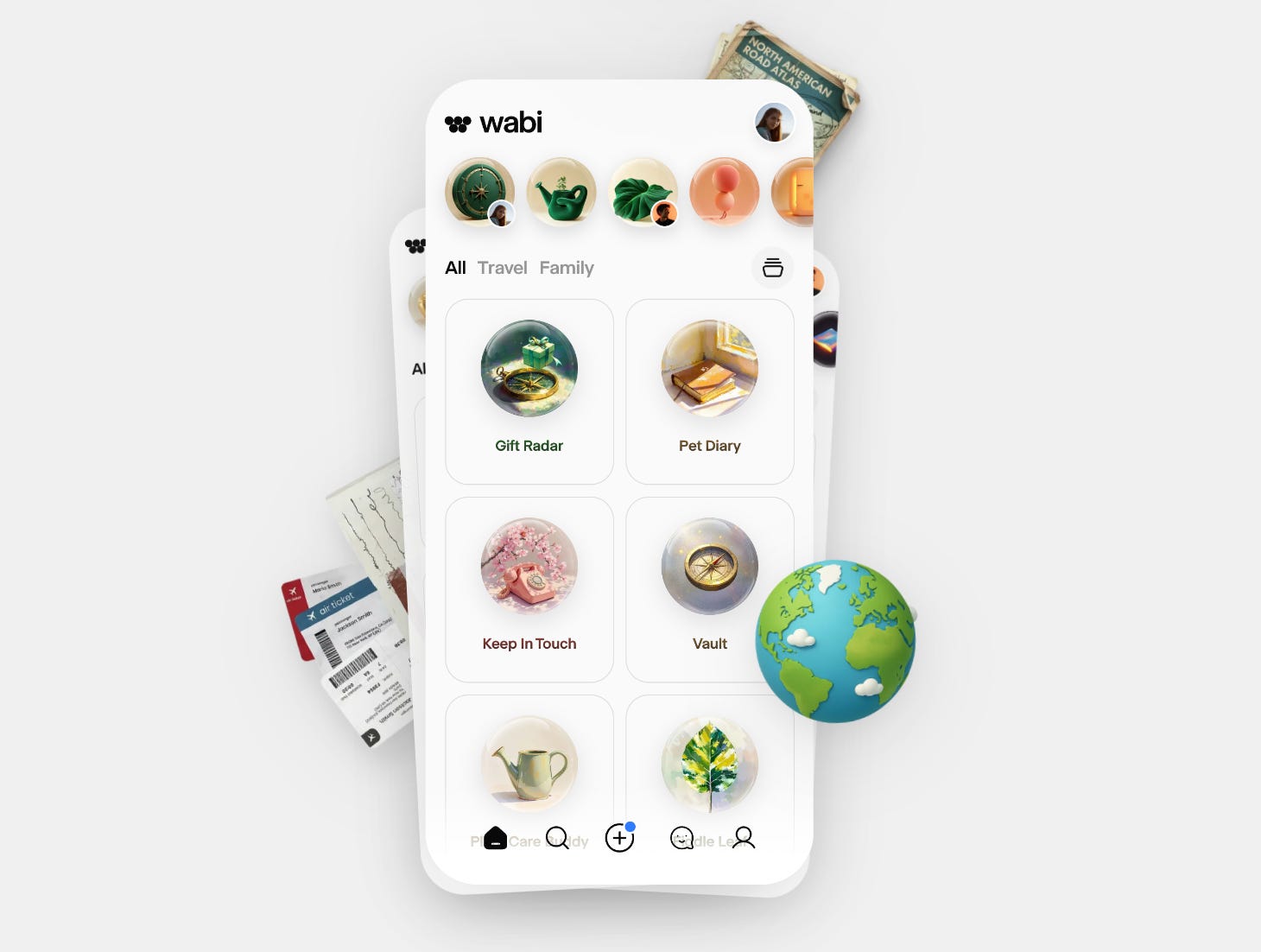
Unnecessary? Absolutely. But we had so much fun using this. It became clear to me while building this out that there’s clearly a new segment of the software market that will be geared towards hyper-personalized apps for friends and small gatherings. We’re seeing this to some extent with personalized app marketplaces and app generation platforms like Wabi.
What Comes Next
2026 will see continued exploration of increasingly personalized software, which will continue to evolve from being demo-y to being shockingly good. Although we only had a few days with it, it is clear that Fable 5 level intelligence in models is the next major unlock for rapidly building complex apps. Soon, live, multiplayer experiences will be something that is brought to life in hours, not months or years.
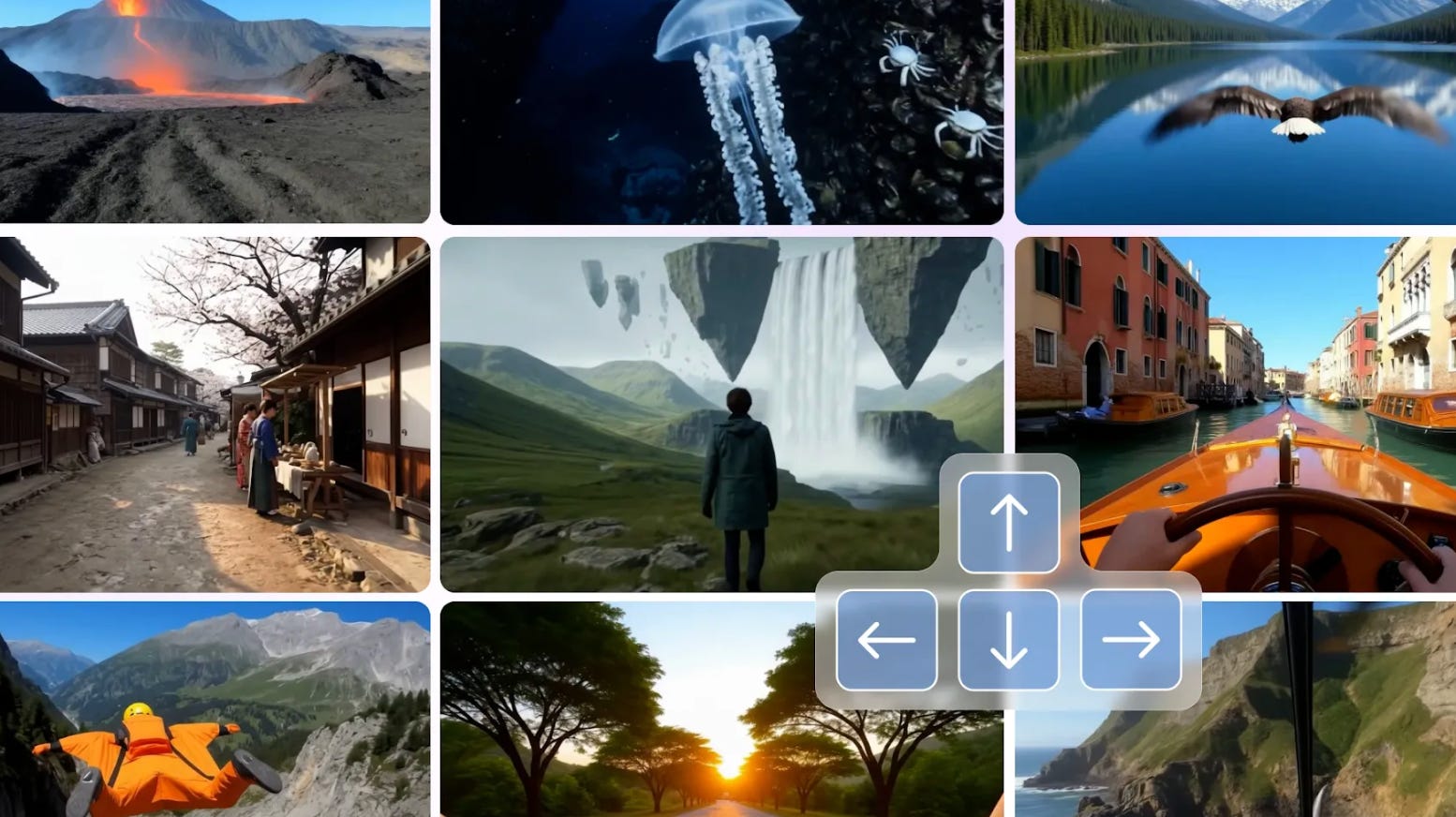
Although Genie 3 was released back in August of 2025, general purpose world models like it are clearly where the space is heading. Highly personalized, interactive environments: think Unreal Engine 5 with an experience custom-tailored to you. Generating dynamic and believable world environments requires world models, simulating dynamics like causality and physics. Many in the space believe that the next natural leap for AI, with models that resemble or approach ASI, requires systems that are based around world models. The spatial web and world models are very similar ideas. For spatial tech, what has really shifted over the last year has been lowering the barrier for increased personalization.
I am excited to see how our hyper-reality evolves. It is very yin/yang, and the social complications might not outweigh the benefits. Safeguarding our collective wellbeing while embracing the exciting aspects of the technology remains top of mind.
Thanks for reading, and see you all in hyper-space.
- Chris